LEARN CYBERSECURITY AT 42 BERLIN
Cyber threats are on the rise, impacting everything from personal privacy to global infrastructure.
Companies everywhere are scrambling to secure their systems and they need skilled professionals to do it: ethical hackers, security analysts, and cyber defenders.
Did you know?
- Cybercrime is projected to cost the world $10.5 trillion annually by 2025.
- There’s a global shortage of over 3.5 million cybersecurity professionals.
This is where you come in. And 42 Berlin offers a powerful, hands-on, tuition-free path to get you there.
How 42 Berlin Prepares you
At 42 Berlin, you’ll learn by doing. Instead of lectures and exams, you’ll build real projects, solve real problems, and work in teams, just like in the workplace.
The program is divided into two main stages:
The Core Curriculum:
Your Foundation
To become a cybersecurity expert, you need strong technical fundamentals. Your studies at 42 begin in the Core Curriculum, where you’ll master:
- C programming
- Unix and system architecture
- Networking basics
- Scripting and automation
- Coding best practices
- Problem-solving and logic

A snapshot of the Core Curriculum at 42.
Each pink dot marks a project, building up your skills step by step as you move outward from the center.
💡 Here, you can begin exploring cybersecurity through Capture the Flag (CTF) challenges, team hackathons, and student-led events.
You’ll also start building the right mindset that sets great cyber security professionals apart: analytical thinking, persistence, and collaboration.
After mastering these skills, you’ll form the foundation needed to become a cybersecurity expert.
The Advanced Curriculum:
Your Pathway to Cybersecurity
After completing the Core Curriculum and mastering essential technical skills, you unlock the Advanced Curriculum. This is where you can specialize in cybersecurity.
You’ll work on specialized projects that challenge you to apply security principles, code securely, break and defend systems, and collaborate with peers in realistic environments.
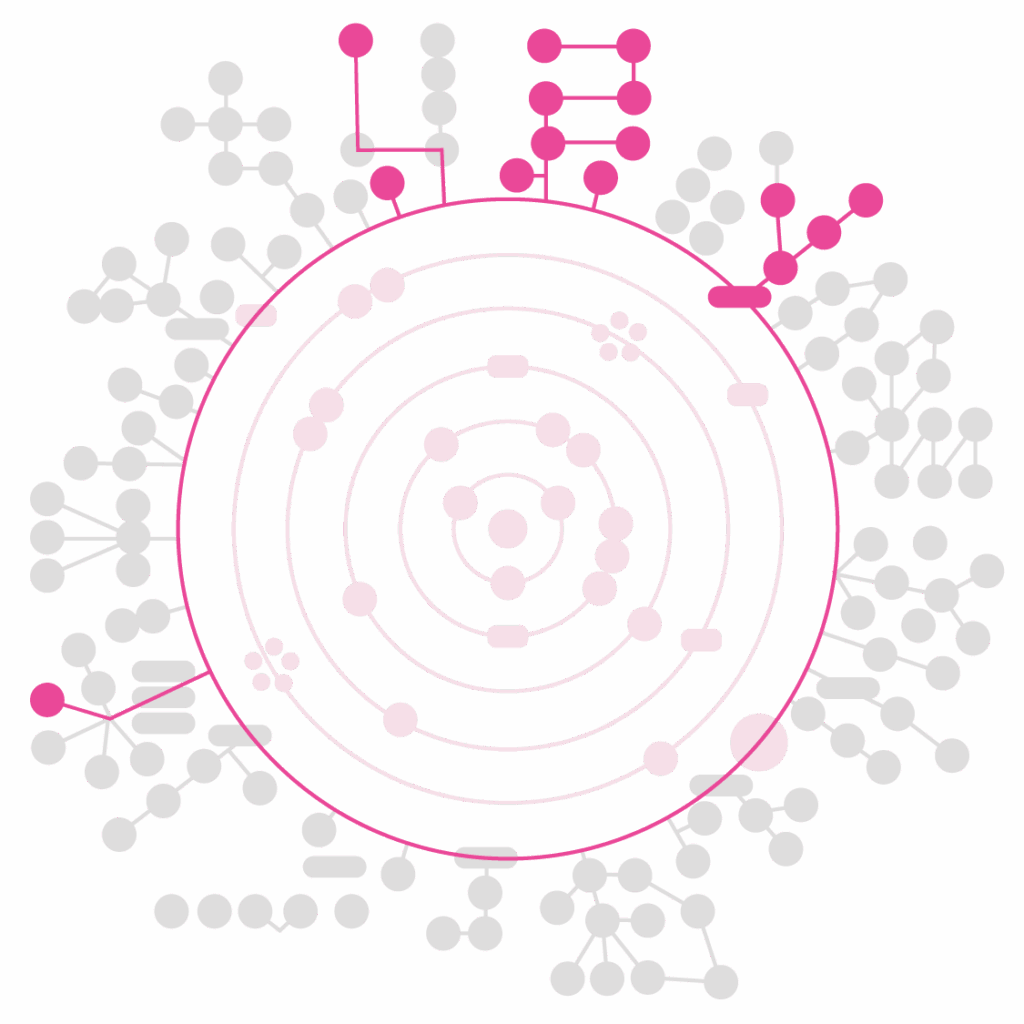
A look into the Advanced Curriculum.
The pink highlights show cybersecurity projects branching out outside of the circle, beyond the Core Curriculum.
These cybersecurity-focused projects are designed to simulate real-world scenarios where you learn to:
- Think like a hacker
- Defend against real threats
- Code with security in mind
- Collaborate in high-pressure, real-world scenarios
🛡️ You’ll also have opportunities to join internal CTFs, create your own tools, or start a security club within the 42 community.
WHAT MAKES YOU HIREABLE AS A CYBERSECURITY EXPERT
Cybersecurity roles are in high demand, but employers are looking for more than just technical know-how. They want professionals who can think critically, act ethically, and respond to real-world threats in real time.
Skills That Make You Stand Out
Here’s what makes you hireable after completing the cybersecurity track at 42 Berlin:
Strong Technical Foundations
You’ll have deep knowledge in C, Linux, Unix, networking, and systems architecture. Essential for any security role.
Security-First Thinking
You won’t just learn how to build things: you’ll learn how to break them. Thinking like an attacker is what allows you to defend systems proactively.
Key Cybersecurity Skills
- Penetration testing and ethical hacking
- Secure software development
- Threat detection and mitigation
- Cryptography fundamentals
- Vulnerability scanning and risk analysis
Real-World Project Experience
Your portfolio will include projects that simulate high-stakes environments: securing systems, leading cyber defenses, and working on team-based attacks and countermeasures.
Soft Skills Employers Value
- Analytical thinking
- Ethical judgment
- Communication and collaboration
- Decision-making under pressure
CYBERSECURITY ROLES
YOU'LL BE READY FOR
Depending on your interests and focus, you’ll be prepared to apply for roles such as:
- Security Analyst
- Penetration Tester (Ethical Hacker)
- Security Engineer
- Threat Intelligence Analyst
- SOC (Security Operations Center) Specialist
- Application Security Specialist
Bonus tip: Many students continue to grow through internships, freelance work, or community contributions before landing full-time roles.
YOUR PATH TO SPECIALISATION
Here’s a step-by-step on how you can steer yourself toward Cybersecurity within the 42 program:
- Start your studies at 42 Berlin
- Build your foundation in C, Linux, and networking during the Core
- Participate in optional security events, like CTFs or student events
- Complete the Core Curriculum
- Enter the Advanced Curriculum
- Choose Cybersecurity as your specialization